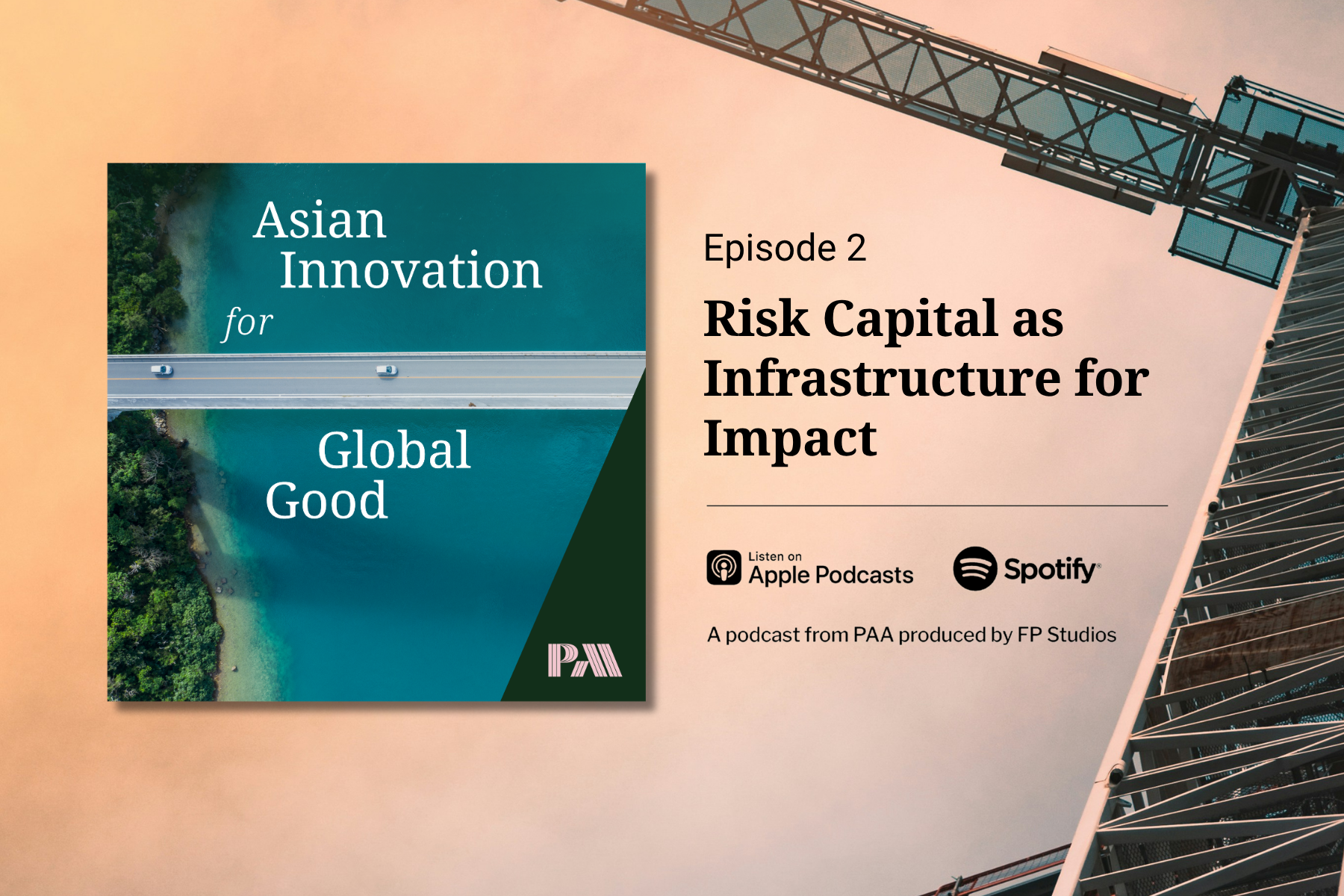
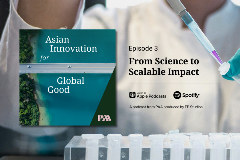
When philanthropic money backs an unproven idea in Asia, the risks that come with it rarely stop at financial loss. Reputation, relationships and years of an organisation's time travel with it, exposures that markets and governments are unlikely to absorb on their own. Risk capital does its work when it is treated as infrastructure for impact rather than a one-off grant, carrying an idea to the point where commercial capital can take over. The pattern ran through the second episode of Asian Innovation for Global Good, a podcast series by FP Studios and Philanthropy Asia Alliance (PAA).
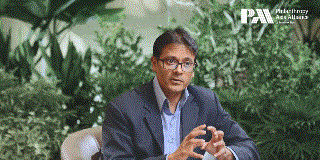
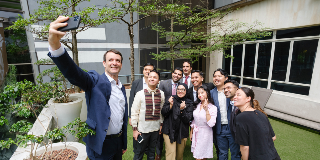
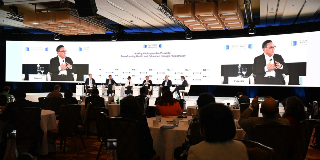
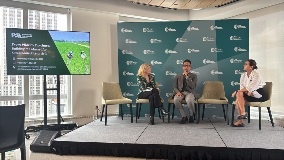
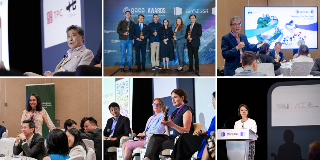
The episode was recorded live at the sixth Philanthropy Asia Summit in Singapore, where more than 2,500 delegates from over 60 countries gathered for three days of climate and health discussions alongside inclusive development work. Host Rob Sachs, Vice President of Audio at FP Studios, spoke with Dr Ruth Shapiro of the Centre for Asian Philanthropy and Society (CAPS), Deepali Khanna of The Rockefeller Foundation, Dawn Chan of the Centre for Impact Investing and Practices (CIIP), Shaun Seow of PAA, and Ma Jun of the Institute of Finance and Sustainability. The conversation moved from a solarised flour mill in rural Bihar to a nationwide disaster-response network in the Philippines, then widened further into venture incubation and green finance policy at national scale.
A different calculus of risk
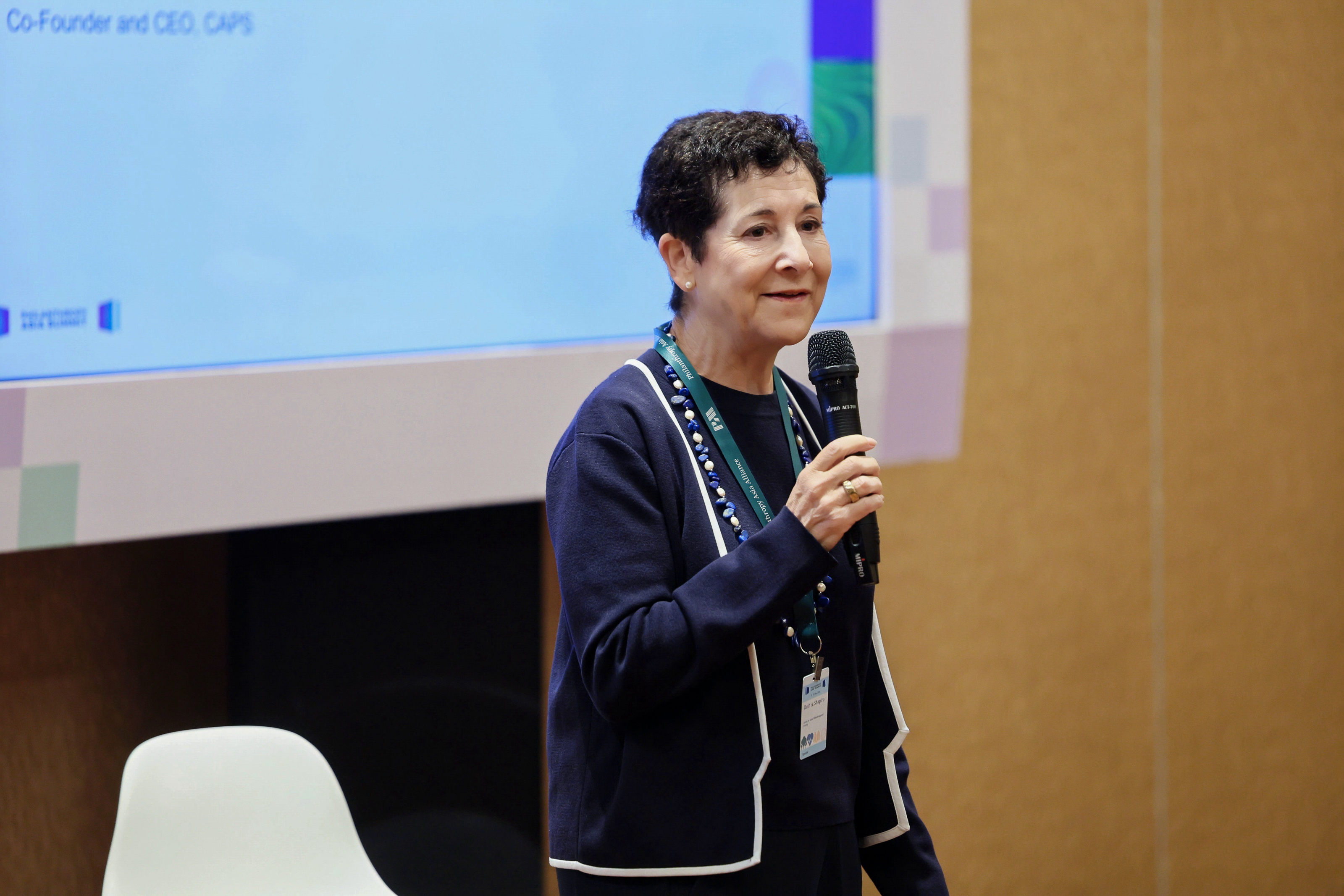
Dr Ruth Shapiro, co-founder and CEO of CAPS, argues that impact-driven capital carries two exposures beyond financial loss. Social risk spends a funder's networks, relationships and reputation on an unproven idea. Time risk spends the hours of staff, families and the organisations that back it. Dr Shapiro contrasts this with the framing common among Western foundations, where a single institution often sets out to solve a global problem such as climate change. That rarely surfaces in Asia, she says, where funders are "much more pragmatic," seeing their responsibility as bound to the community they are embedded in and to the governments that hold the systemic mandate to scale a solution once it works.
From good intentions to real solutions
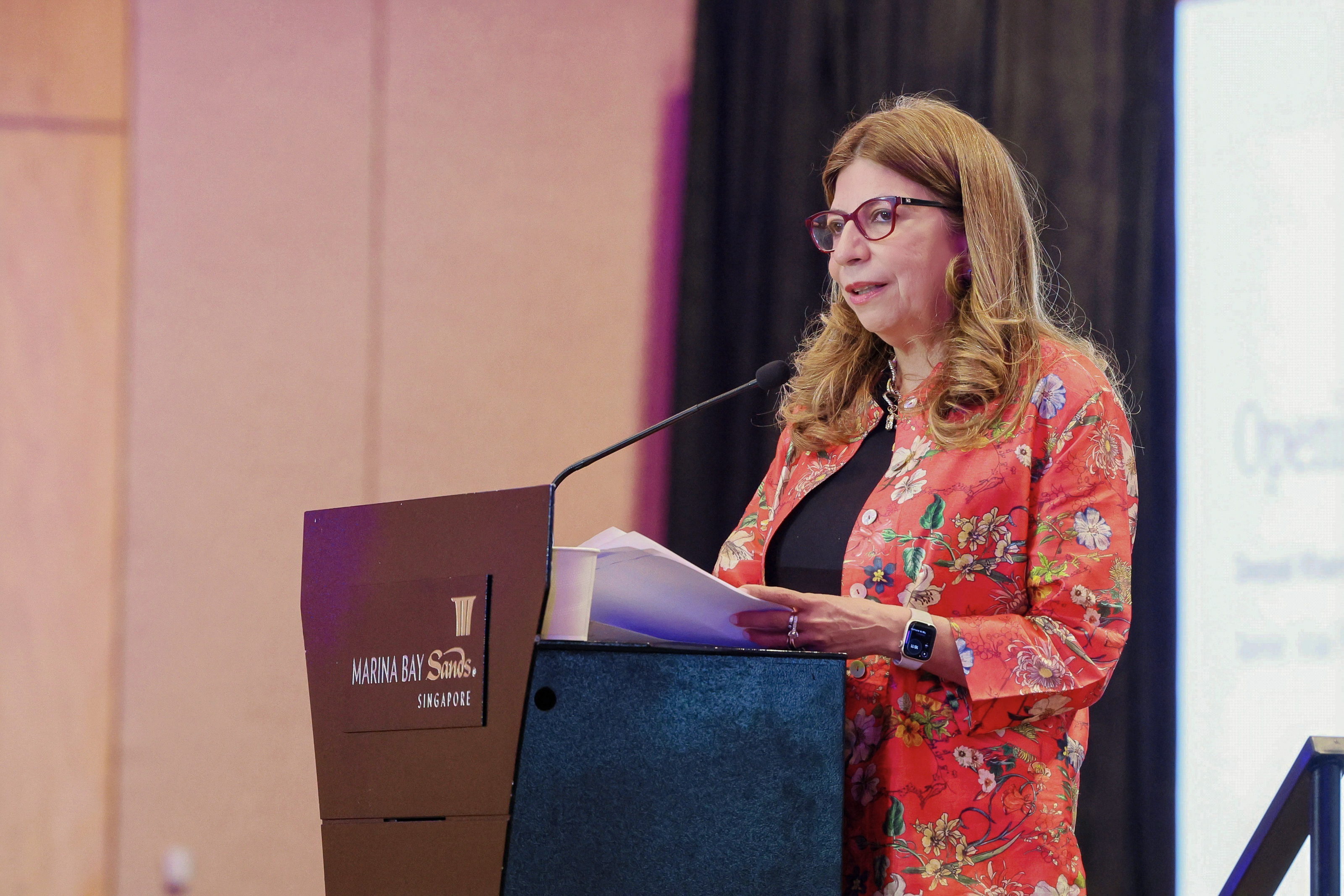
That pragmatism shapes how The Rockefeller Foundation operates. Deepali Khanna, Senior Vice President and Head of Asia of the Foundation, describes her team as entrepreneurs who "roll up their sleeves" alongside a community rather than directing it from a distance. In rural Bihar, the foundation solarised a flour mill running on two unreliable hours of electricity a day. Within eight months, monthly earnings for the women who worked on it rose from around ten dollars to around one hundred. The fix also created a problem nobody had planned for. Six new shopkeepers opened cold-drink stalls once the mill switched on, competing for purchasing power that had not grown to match, and the original shopkeeper's trade collapsed. Khanna's team treated that as a design flaw. Adding energy-efficient appliances and financing let supply and local spending power move together, proving that good intentions only hold once they target the actual constraint.
Bringing promising ideas across the finish line
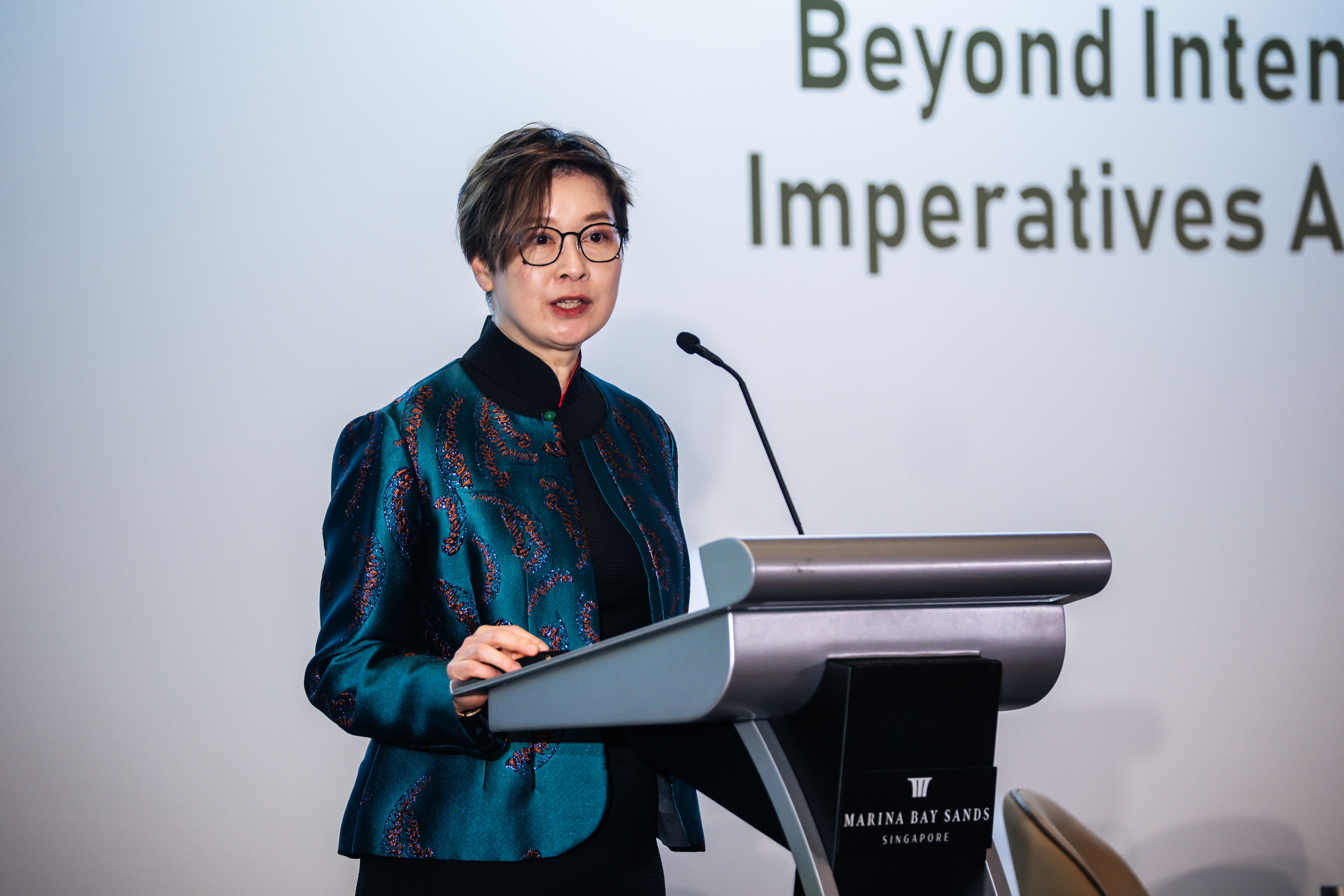
Dawn Chan, CEO of CIIP at Temasek Trust, defines impact investing as "an approach to deploying capital" that "starts with intention," built on a testable theory of change. That structure matters because intention alone rarely survives an unproven market. What carries a venture the rest of the way is discipline, clear theses tested against patient capital, so a promising idea can travel from pilot to proof instead of stalling along the way. Shaun Seow, CEO of PAA, describes the hardest stretch as the “valley of death”, the stage after grant funding runs out and before an enterprise can attract commercial capital on its own. PAA and CIIP built the Amplifier programme to close that gap, a year-long incubation that pairs selected startups with a network of more than seventy industry mentors willing to trial their products.
Risk capital at scale
Risk capital also operates at the level of markets and financial systems, in sectors such as clean energy, where countries are working to cut their dependence on imported fossil fuels and build more resilient local economies. Dr Ma Jun, President of the Institute of Finance and Sustainability, traces his commitment to that shift to 2013, when Beijing's air pollution index hit a reading of 1,000 against a safe level of 25. That single conference prompted him to “rethink the purpose of finance”. He had spent his banking career financing the coal and heavy industry sectors responsible for that smog, businesses that made investors wealthy while the air outside grew unbreathable. He began writing instead about redirecting capital toward cleaner alternatives, using price signals to make that shift the profitable choice rather than an imposed one. The underlying discipline, a shared system for recognising which projects deserve capital, is what makes that shift possible at scale.
The next stretch following risk capital
Across a flour mill, a disaster-response network, an incubation programme and a set of national finance guidelines, every guest arrived at the same position from a different direction, since patience only moves an idea forward when it is paired with clear governance. Funders who build structure around risk, rather than simply absorbing it, are the ones carrying promising ideas across the gap that neither markets nor governments will close alone. The series continues with a related question, how innovation in health, agriculture and climate science is producing breakthroughs on a timeline measured in months rather than years, tracing what technology can do once patient capital has cleared the way for it.
Listen to episode 2 of the podcast here: https://foreignpolicy.com/podcasts/asian-innovation-for-global-good/









.tmb-.gif?Culture=en&sfvrsn=e13997ec_1)
.tmb-.gif?Culture=en&sfvrsn=b5ece239_1)
.tmb-.gif?Culture=en&sfvrsn=6fb3b6df_1)
.tmb-.png?Culture=en&sfvrsn=7fea9931_1)
.tmb-.gif?Culture=en&sfvrsn=3f4b1163_1)


.tmb-.jpg?Culture=en&sfvrsn=fedc60fc_1)