Collaborative philanthropy in Asia has gained momentum in recent years, with greater funding mobilised behind shared priorities and stronger cross-sector partnerships beginning to formalise. What decides outcomes from here is how coherently those resources are directed, with partners aligned and delivery models credible enough to attract follow-on investment. The Philanthropy Asia Alliance (PAA) was built to make that coherence operational, drawing funders into the work Asia's challenges demand. The Alliance's value sits in the calibre of those collaborations and the outcomes they produce together.
Where the capital is moving
Pledges are signals of intent, and deployment is where they produce change. As its operating models evolve, the Alliance has sharpened its focus on measuring what reaches the ground. PAA enters its third year with USD 615 million mobilised behind more than 300 projects in Climate, Health, and Inclusive Development. Of that, USD 50 million has been deployed to 24 catalytic initiatives, each built to draw co-funding from Alliance members and validate a delivery model that can carry into other Asian markets, generating the evidence larger pools of capital expect before they engage. Our latest Impact Report sets out the full picture with deep-dives into ocean and health projects.
Where catalytic capital fits
Climate finance in Asia has flowed less freely into smallholder agriculture than into other sectors, despite the field offering one of the clearest emissions reduction opportunities in the region. Rice farming accounts for roughly 10 per cent of global methane emissions, and with demand projected to rise 30 per cent by 2050, the pressure on production will only grow. PAA backs the Decarbonising Rice initiative because it sits squarely in that gap, with the patience required to carry the model into wider regional adoption.
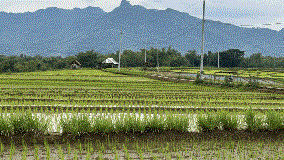
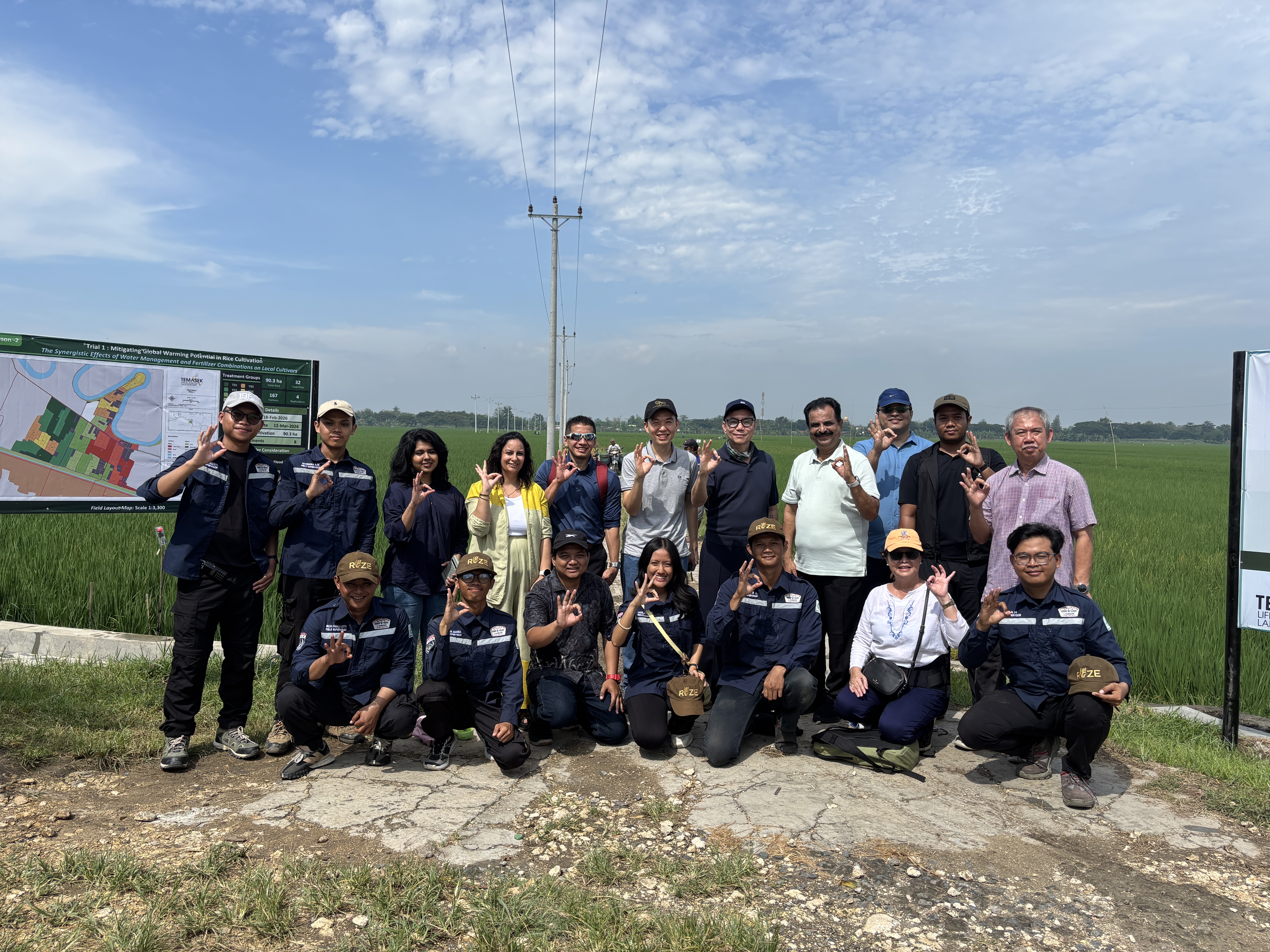
The initiative, developed by Temasek Life Sciences Laboratory, runs 100-hectare trials with smallholder farmers in India, Indonesia, and Laos. A recent PAA visit to the Grobogan trial plot in Central Java grounded the data in the reality of farmers managing the change on their land. Initial results show methane emissions down 30 to 50 per cent and water use reduced by a similar margin, with yields steady or rising.
Early funding moved the trials to the point where conversations with supply chain partners and private investors are credible, and the sequence is what the Alliance set out to repeat. PAA is now formalising a partnership with the World Economic Forum's First Movers Coalition for Food, which brings together 60+ partners across industry, finance, government, farmer organizations and experts to facilitate exchange and learnings towards unlocking credible demand signals1 for regenerative, resilient and sustainable food production. As regional anchor partner for rice in Southeast Asia, PAA connects the scientific work and existing funding with the private sector pull needed to take the model to scale, working towards an ambition of five million hectares of rice under improved management by 2030.
Five Communities, one connected logic
The systemic challenges PAA addresses through its three mandates are complex and deeply intertwined. Climate stress compounds health risks, which shape whether communities can absorb the next disruption before it deepens their vulnerability further. Our funding approach has to move with that grain. All five of PAA’s active member Communities convene funders and practitioners around shared missions and collective decisions on jointly evaluated projects. This format is gaining traction, with Communities expanding in strength and project activity.
The Health for Human Potential Community has welcomed two new members, including Google.org, which is joining with a USD 7 million contribution. With Google DeepMind, they will fund initiatives supporting infectious diseases and pandemic preparedness, and use frontier AI – like AlphaFold and Google Earth models – to accelerate the development of new approaches for outbreak prediction and prevention. Three new projects are underway, taking the Community to half its USD 100 million target.
The Just Energy Transition Community has earmarked USD 2.6 million in its first year to advance a portfolio of initiatives at the intersections of energy, agriculture, fisheries, jobs and resilience across Southeast Asia. The Community is inviting philanthropic organisations in Asia to collaborate and engage on how the energy transition connects to the people, places and outcomes they care about most.
The Blue Oceans Community has welcomed four new members, Bloomberg Philanthropies, Minderoo Foundation, Oceankind, and SEE Foundation. Separately, the Community has also launched three new projects spanning ocean conservation and fisheries management in Indonesia, including the 30x30 Southeast Asia Ocean Fund and a Global Oceans Innovation Challenge run in partnership with The Nature Conservancy. The Sustainable Land Use Community opens a grant call in Q3 for nature-based solutions and sustainable agriculture across Asia, areas foundational to any credible path to net zero.
Communities differ in structure and pace, with some operating as pooled funds and others as more flexible collaborations, and PAA continues to evolve the format around what each set of partners’ priorities. Trust-based relationships among Asian funders take time to build, and the Communities are calibrated to that cadence. Beyond the existing five, conversations with members are underway on potential new interest groups, including AI as an enabler in health and climate work, and economic enablement as a connected priority.
What patience produces
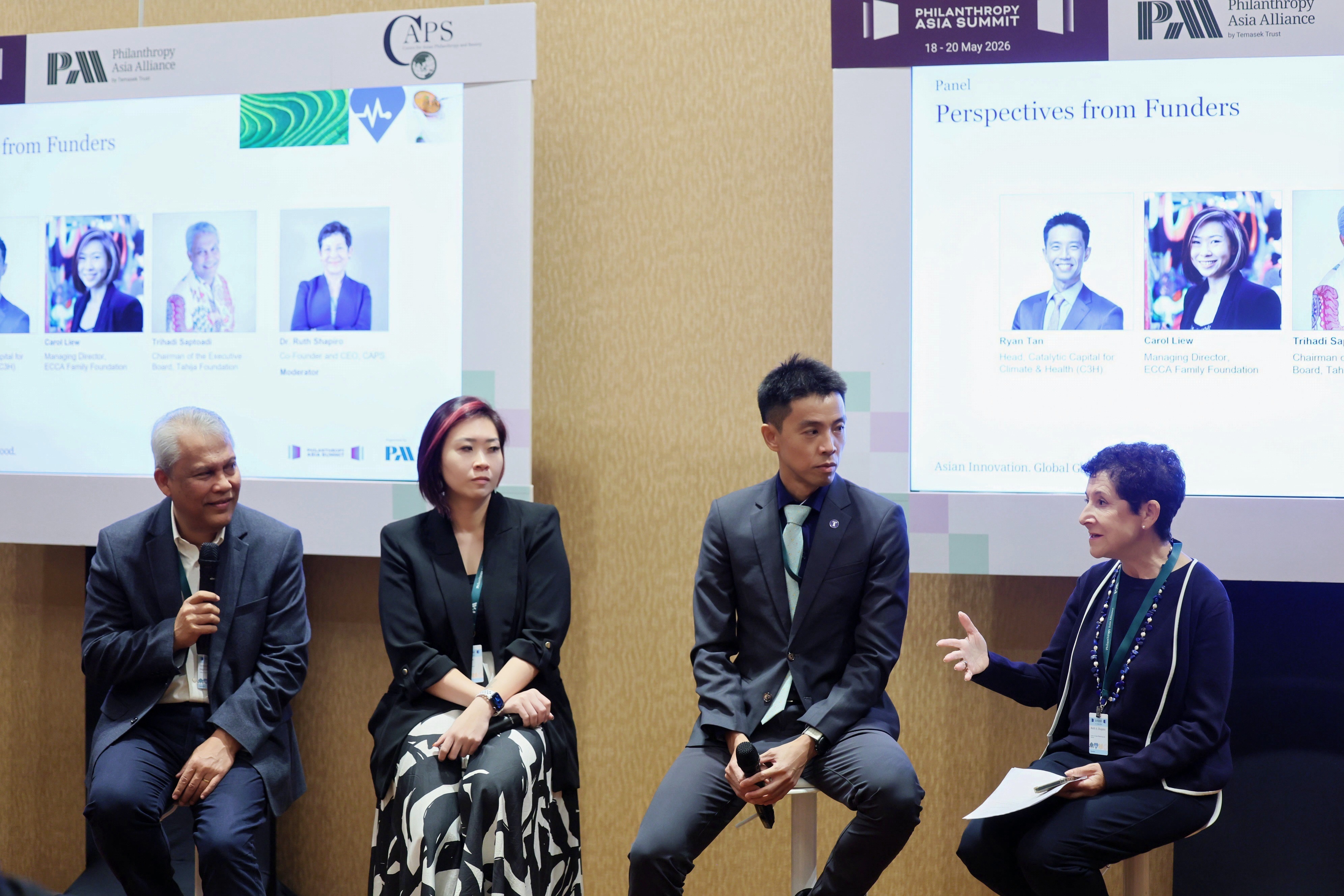
The ‘Philanthropy as Risk Capital in Asia: Bridging Innovation to Impact’ was launched at the Philanthropy Asia Summit 2026, featuring speakers from the case studies featured in the report.
Patience is the form of capital that distinguishes philanthropy from finance, and the cases that have made the deepest mark show what it produces when sustained. A new study by the Centre for Asian Philanthropy and Society, commissioned by PAA, examined ten cases region-wide, together reaching more than 210 million people in 13 Asian economies. Taking an early position absorbs the risk of an untested solution and produces the evidence follow-on funders need before committing.
One case from the report is the Tahija Foundation's decade-long backing of Wolbachia bacteria as a dengue control method. After more than ten years and USD 17 million, the trial showed a 77 per cent reduction in dengue incidence and is now part of Indonesia's national health plan, protecting an estimated 14 million people. No public or private investor could have taken that position at the start.
A wider Alliance, a higher bar
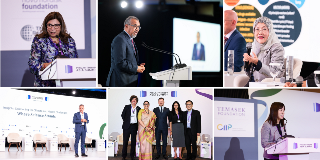
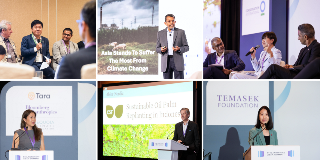
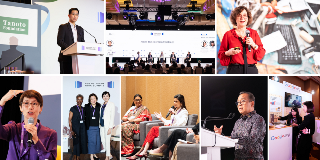
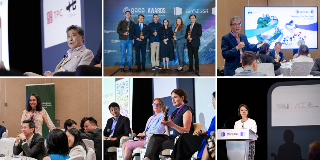
PAA's role is to help members' commitments compound, connecting funders so first-mover capital finds others to build on what it started. The Philanthropy Asia Summit (PAS), the Alliance's annual flagship convening platform for action, is where those connections are made at the scale Asia's challenges require. The 2025 edition brought together more than 1,300 participants and 150 speakers over three days.
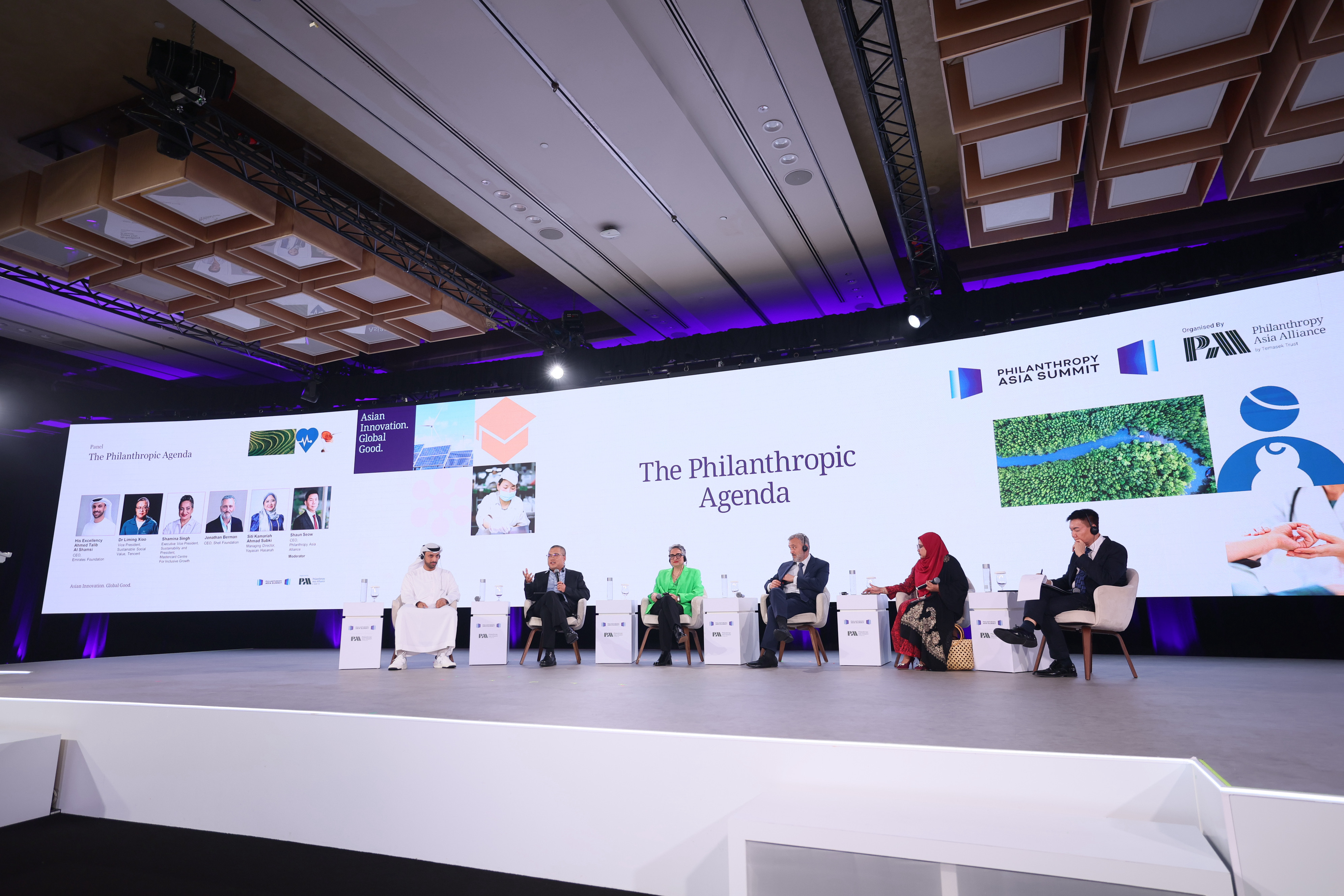
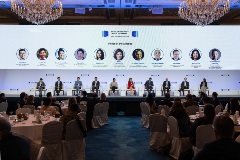
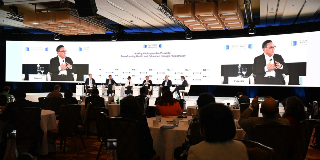
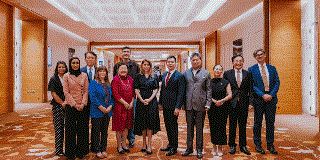
L-R: His Excellency Ahmed Talib Al Shamsi (Emirates Foundation), Dr Liming Xiao (Tencent), Shamina Singh (Mastercard Centre for Inclusive Growth), Jonathan Berman (Shell Foundation), Siti Kamariah Ahmad Subki (Yayasan Hasanah), and Shaun Seow (Philanthropy Asia Alliance) and at The Philanthropic Agenda panel during the PAS 2026. The panel explored how philanthropy is evolving as leaders work across sectors and geographies to address increasingly systemic challenges.
Beyond the Summit, over the course of the past year, PAA extended the conversation through more than 20 convenings in 10 cities globally. The Alliance has also grown to more than 110 funder members and partners and saw new partnerships strengthen its global network, including WINGS, Latimpacto in South America, Emirates Foundation in the UAE, the Sustainable Social Value Collaborative in China, and Pijar Foundation in Indonesia. In addition, PAA entered into programme partnerships with the Mastercard Center for Inclusive Growth and CapitaLand Hope Foundation.
The Center collaboration combines research and pilot action with ecosystem mobilisation around inclusive growth in Asia. Through CapitaLand Hope Foundation's CapitaLand Community Resilience Initiative, PAA helps identify grantees with proven results and taps on its network to further scale high-impact solutions.
What Asia carries forward
Time in the field with our projects, combined with continuous member conversations and broader discussions at convenings worldwide, has produced one observation that now serves as the Alliance's north star.
What is achieved in Asia can carry far beyond its borders. The region offers the conditions that will define the next era of philanthropy, in its demographic weight, its development complexity, its entrepreneurial energy, and its readiness to back ambition at the scale the moment asks for. Making sure the answers built here travel is the Alliance's work ahead.
1In full respect of all competition and antitrust laws and regulations







.tmb-.gif?Culture=en&sfvrsn=e13997ec_1)
.tmb-.gif?Culture=en&sfvrsn=b5ece239_1)
.tmb-.gif?Culture=en&sfvrsn=6fb3b6df_1)
.tmb-.png?Culture=en&sfvrsn=7fea9931_1)
.tmb-.gif?Culture=en&sfvrsn=3f4b1163_1)
.tmb-.jpg?Culture=en&sfvrsn=fedc60fc_1)