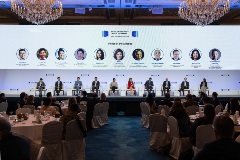
Photo: Sean Koh / Ministry of Digital Development and Information
Asia is confronting a convergence of health threats that no longer fit neatly into traditional silos.
Antimicrobial resistance.
Zoonotic spillovers and pandemics.
Vector-borne diseases.
Food contamination.
Heat and environmental stress.
Each of these challenges is serious on its own. But taken together, they reveal a deeper reality: health risks today are interconnected, cross-border, and shaped by forces far beyond the healthcare system alone.
Population density and urbanisation, global trade and travel, land-use change and deforestation, rising consumption of animal protein, and climate change are reshaping how diseases emerge, spread, and persist across the region. In Asia, where many of these pressures converge at scale, the implications for health security, economic resilience, and social stability are profound.
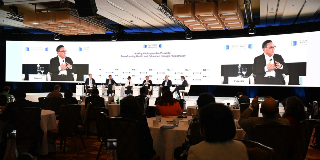
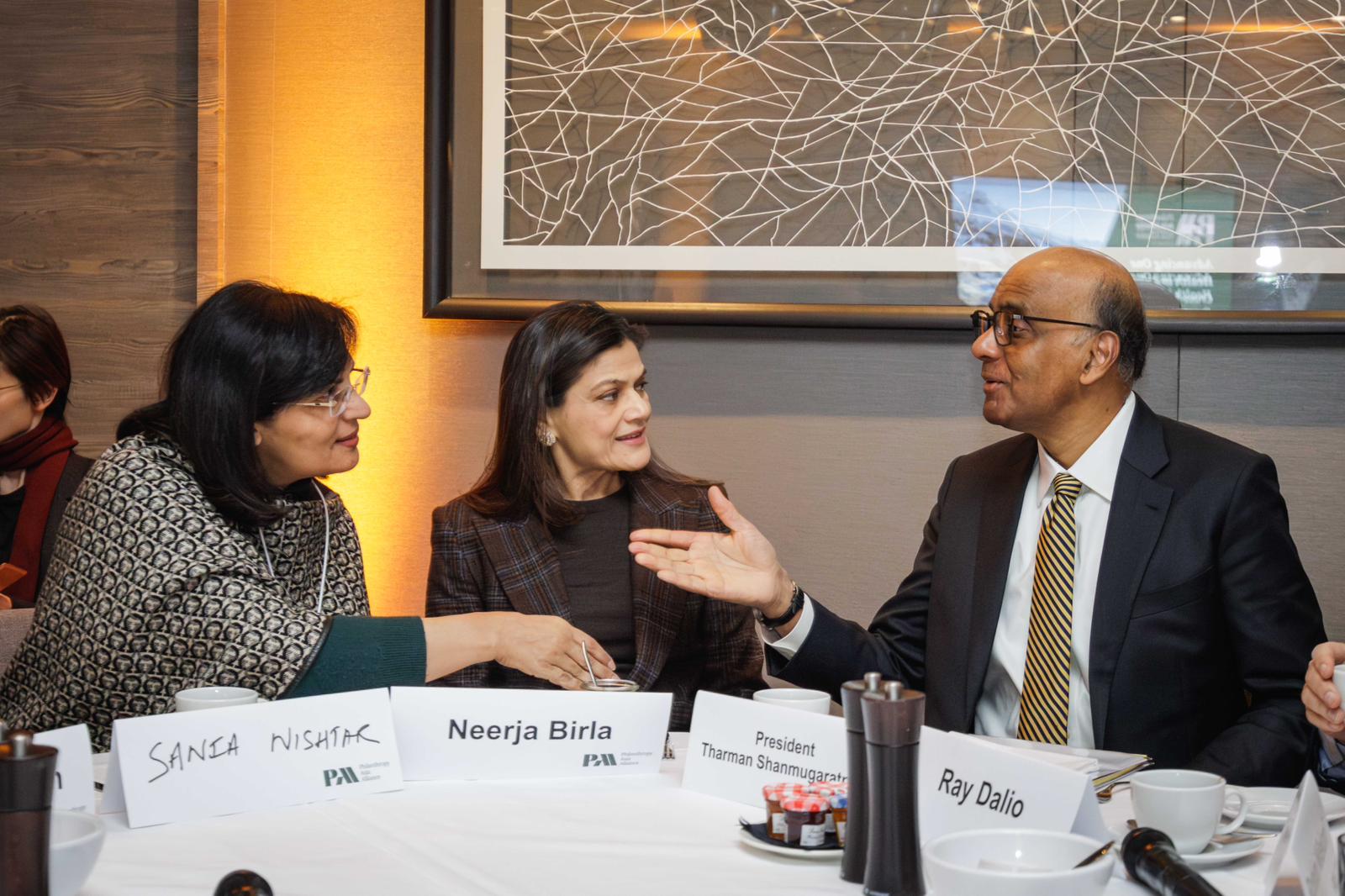
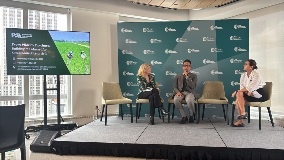
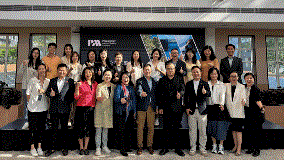
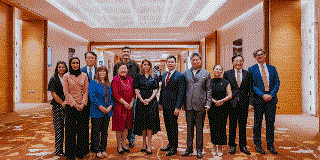
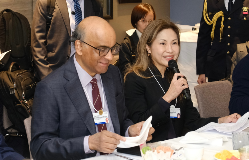
Against this backdrop, the Philanthropy Asia Alliance (PAA) convened over 40 leaders from the public, private, and philanthropic sectors for a closed-door breakfast roundtable on the sidelines of the World Economic Forum Annual Meeting in Davos, Switzerland. The session, “Advancing One Health in Asia: Cross-Sector Action for Shared Threats”, brought together diverse perspectives to examine what solutions are already underway – and what more must be done.
Why One Health, and Why Now?
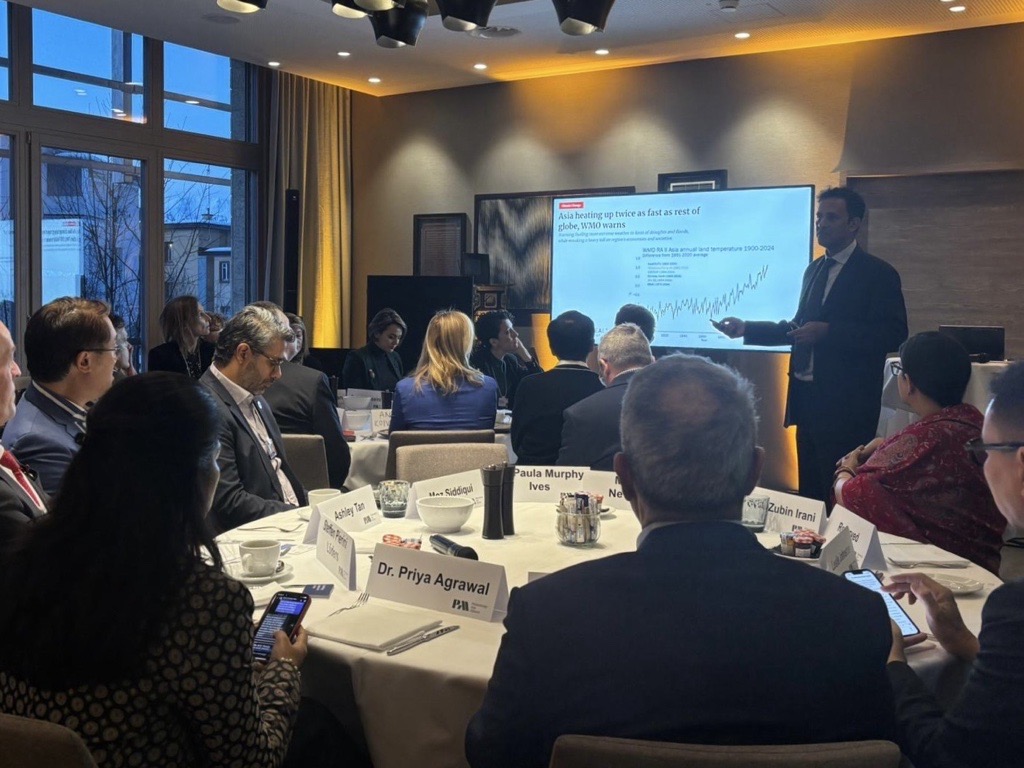
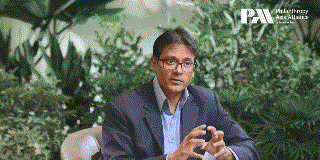
Professor Ramanan Laxminarayan, Founder and President of the One Health Trust, set the scene with a comprehensive overview of the One Health challenge facing the region.
Professor Ramanan Laxminarayan, President of the One Health Trust, opened the dialogue with context-setting remarks that underscored a critical shift. For decades, progress in public health was driven by relatively siloed tools – vaccines, sanitation, hygiene, and antibiotics. These approaches delivered enormous gains. But they were developed for a world that was less connected, less urbanised, and less environmentally stressed.
Today, pathogens move rapidly across human, animal, and environmental systems. Antibiotic use in agriculture shapes resistance patterns in human populations. Climate change alters disease vectors and enables microbes to adapt to new environments. Local outbreaks can escalate into global crises within a short span of time.
These shifts demand a One Health approach – one that recognises the interdependence of people, animals, and the environment, and prioritises prevention, early detection, and systems-level coordination over reactive crisis response.
From Insight to Action
Building on this context, participants explored where progress is already being made – and where gaps remain. Several priorities emerged:
Antibiotic stewardship is central.
Antimicrobial resistance (AMR) is often described as a “silent pandemic,” yet it already claims millions of lives each year. Tackling AMR requires coordinated action across human and animal health, stronger stewardship policies, and sustained investment in research and innovation – particularly where market incentives remain weak.
Surveillance must be integrated and predictive.
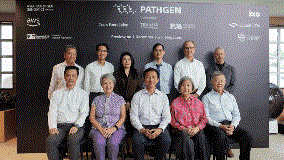
Advances in genomics, diagnostics, and artificial intelligence offer unprecedented opportunities to detect outbreaks earlier and anticipate emerging risks. However, participants emphasised that the core challenge is not the absence of data, but fragmentation. Connecting siloed human, animal, and environmental datasets – and translating insight into timely public health action – is essential. One such innovation is PathGen, supported by PAA, Temasek Foundation, and the Gates Foundation, which integrates genomic surveillance and AI-enabled analytics to strengthen early warning and response across the region.
Cross-sector alignment is non-negotiable.
Effective One Health interventions sit at the intersection of health, agriculture, environment, technology, and finance. Bridging the gap between upstream innovation and downstream impact requires public-private-philanthropic partnerships that can mobilise capital, share risk, and support scalable delivery, particularly in low- and middle-income settings.
Communities at the Centre
A recurring theme throughout the discussion was the importance of community engagement.
Even the most advanced solutions can falter if they are not trusted, understood, or culturally resonant. Participants highlighted how local context, social norms, and historical experience shape uptake – whether of vaccines, diagnostics, or behavioural interventions.
One Health, the discussion reinforced, must therefore be as much about people as it is about systems. Community awareness, youth education, and locally grounded approaches are critical to sustaining impact over time.
Scaling What Works
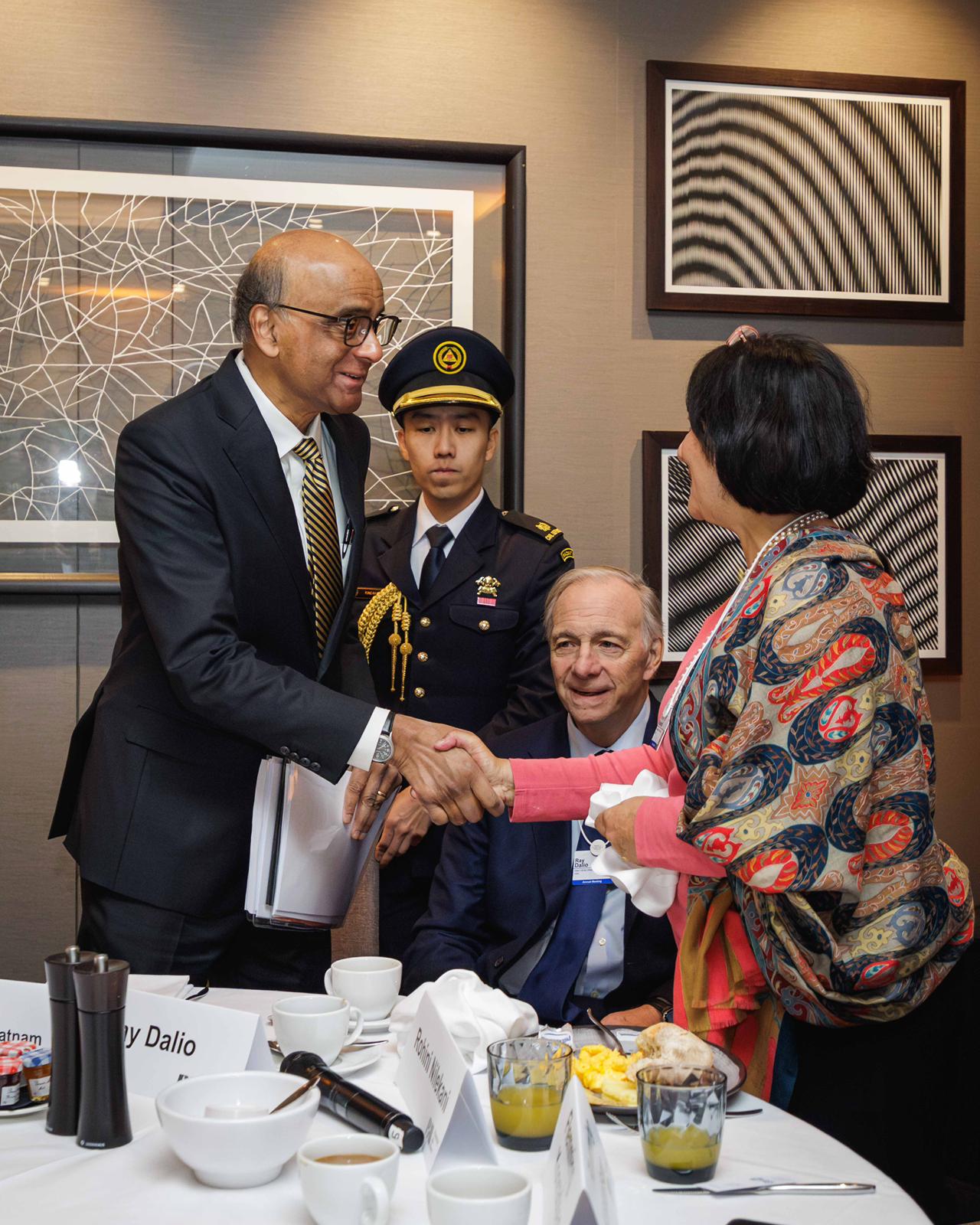
Photo: Sean Koh / Ministry of Digital Development and Information
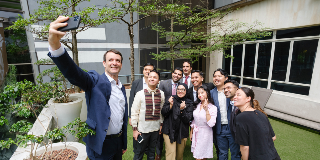
In his closing remarks, Guest of Honour President Tharman Shanmugaratnam, President of the Republic of Singapore and Distinguished Patron of PAA, highlighted that a One Health approach can deliver high social and economic returns – often with locally visible benefits in the near term. Early detection, prevention, and integrated responses are not just good health policy; they are sound investments.
Realising this potential, however, requires policy, regulatory, and financing frameworks to keep pace with scientific and technological advances. From demand aggregation and advance market commitments to blended finance and cross-border regulatory cooperation, participants pointed to the need for new mechanisms that enable solutions to scale.
The takeaway was clear: as health risks become more interconnected, so must our responses.
PAA thanks all participants for their thoughtful contributions. We look forward to continuing the conversation at the upcoming Philanthropy Asia Summit in Singapore (18-20 May 2026).
🤝 If your work intersects with these challenges, we invite you to reach out to contact@philanthropyasiaalliance.org to discuss opportunities for collective action – and explore what advancing One Health in Asia could look like in practice.








.tmb-.gif?Culture=en&sfvrsn=e13997ec_1)
.tmb-.gif?Culture=en&sfvrsn=b5ece239_1)
.tmb-.gif?Culture=en&sfvrsn=6fb3b6df_1)
.tmb-.png?Culture=en&sfvrsn=7fea9931_1)
.tmb-.gif?Culture=en&sfvrsn=3f4b1163_1)

.tmb-.jpg?Culture=en&sfvrsn=fedc60fc_1)